
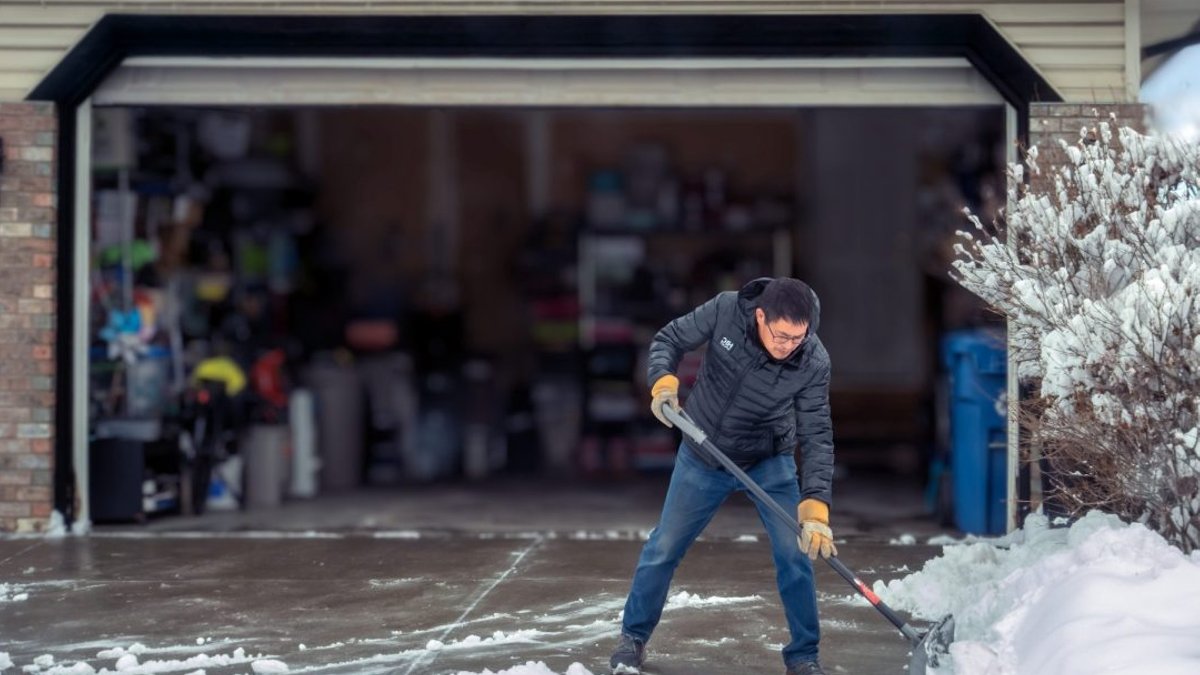
As temperatures drop, it becomes important to clear certain items from an unheated garage so that they do not suffer damage or become safety hazards. Lori Bailey, a professional organizer who frequently advises homeowners on seasonal storage, recommends moving perishable food and canned goods to a space that stays warm and dry.
Perishable food and canned items—including rice, beans, soup, and other staples—should not remain in a garage that is exposed to freezing conditions. When the mercury falls below the freezing point, the seals on cans can weaken, allowing bacteria to enter and spoil the contents. In addition, the metal of a can can expand and potentially burst, which ruins both taste and texture. Storing these foods in a climate-controlled area helps preserve their quality and keeps them safe for consumption.
Protecting Food and Other Items
According to Bailey, food that is packaged in cardboard is especially prone to infestation by rodents and insects that can crawl into a garage during colder months. She advises placing such items in a pantry, kitchen cabinets, or a storage room in the basement where the temperature remains stable and pests are less likely to gain access.
Paint is another common garage occupant that suffers in extreme cold. Latex-based paints, for example, can separate, become lumpy, or develop a skin when temperatures drop too low. The organizer suggests keeping paint in a location that stays above 50 °F to maintain its proper consistency and ensure it can be applied later without problems.
Chemicals and Paperwork
Chemical products such as household cleaners, solvents, and other hazardous liquids may deteriorate or become a fire risk if left in an unheated garage. Bailey recommends moving these substances to a well-ventilated, temperature-controlled area such as a basement utility room or a dedicated storage closet. Proper containment reduces the chance of leaks or accidental ignition caused by temperature-induced pressure changes.
Important paperwork, family photographs, and other sentimental items also need protection from moisture and temperature swings. Paper can warp, and photographs may stick together or fade when exposed to cold, damp air. She advises keeping these valuables in clearly labeled, protective containers placed inside the home where humidity levels are more predictable.
Electronic Equipment and Batteries
Electronic devices, rechargeable batteries, and battery-operated tools are also vulnerable to temperature fluctuations. Rapid changes between cold and warmth cause microchips and circuitry to expand and contract, which can lead to rust, corrosion, or premature failure of electronic components. The organizer recommends storing these items in a dry, temperature-controlled part of the house, such as a closet on an interior wall or a dedicated electronics cabinet.
Finally, holiday decorations that are kept in the garage can suffer from freezing temperatures. Candles may crack or warp, and certain decorative materials, especially those made of plastic or delicate fabric, can become brittle and deteriorate. Bailey advises being selective about which decorations are stored in the garage and recommends keeping temperature-sensitive ornaments indoors until they are needed for seasonal display.


