
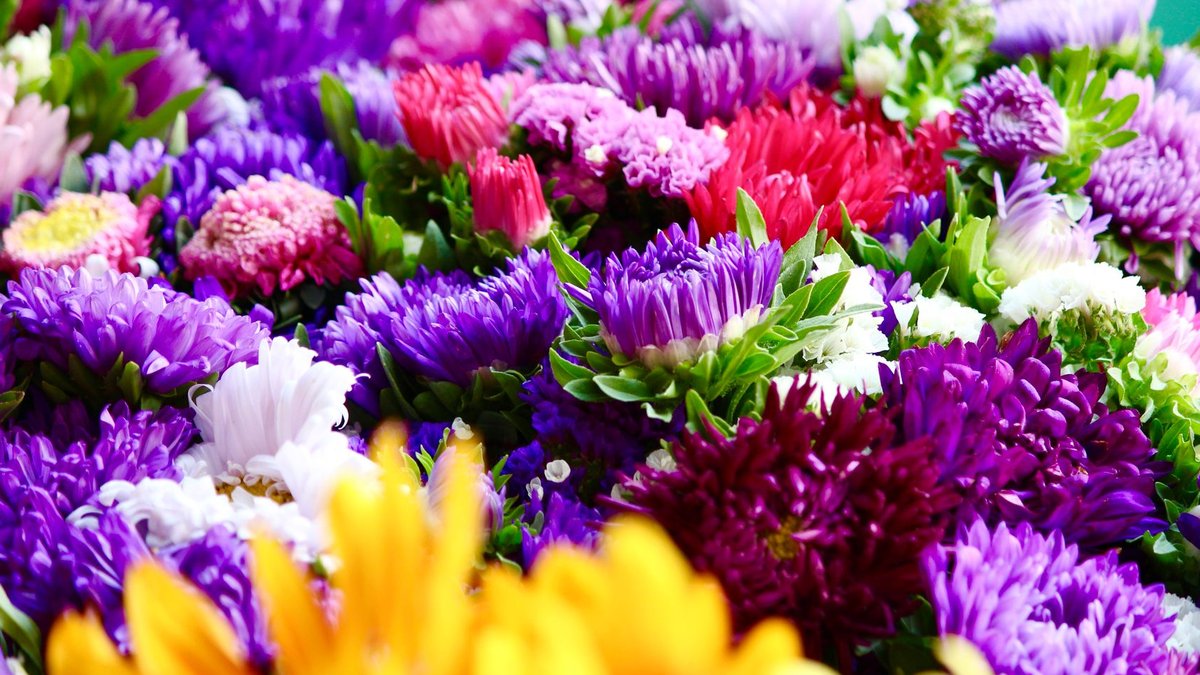
A well‑planned cut flower garden can supply fresh blooms for indoor arrangements, but success depends on choosing a cohesive color palette and a mix of plant types that bloom together.
Choosing a Unified Color Scheme
Garden designers stress that the first step is selecting a palette that suits personal taste while ensuring the colors complement each other when cut and arranged. Without a clear plan, gardeners may end up with armfuls of stems that clash, making it difficult to create harmonious bouquets.
The palette should be limited to a few dominant hues, with secondary tones that enhance rather than compete. This approach also helps when different species mature at the same time, allowing a steady supply of matching flowers throughout the season.
Balancing Forms, Textures, and Heights
Beyond color, a successful cut flower garden needs variety in shape, texture, and stature. Experts divide garden plants into four functional categories: focal, secondary, filler, and foliage. Each group plays a distinct role in a bouquet, contributing visual interest and structural balance.
Focal plants, sometimes called mass flowers, dominate the eye with large, showy blooms. Common choices include tulips, dahlias, roses, and uniquely colored sunflowers. Their size and color make them natural centerpieces for arrangements.
Secondary flowers add shape without overwhelming the composition. Species such as foxgloves, delphiniums, snapdragons, small zinnias, and cosmos provide line and dimension, supporting the focal blooms.
Related: Florist Publishes New Book on Seasonal Arrangements
Filler varieties soften the edges and occupy gaps between larger stems. Plants like yarrow, Queen Anne’s lace, feverfew, and certain flowering herbs produce multiple small blossoms per stem, creating a delicate backdrop.
Foliage supplies greenery, but it should be used sparingly. Wild raspberry branches, boxwood, and ornamental grasses add texture without crowding the arrangement. Overusing foliage can make a bouquet feel overstuffed.
Gardeners often stagger planting dates to align bloom periods, ensuring that each category is available when needed. This timing helps maintain a consistent flow of fresh material for indoor use.
For many hobbyists, the real test is translating garden output into a functional bouquet. The mix of colors, forms, and heights must work together, not just in the garden but also once cut and assembled.
Focusing on a limited color range simplifies decisions about which plants to include. It also streamlines maintenance, as similar soil and watering needs often accompany plants that thrive in the same hue family.
Overall, the combination of a well‑chosen palette and a balanced selection of focal, secondary, filler, and foliage plants forms the backbone of a productive cut flower garden. By paying attention to these elements, growers can produce bouquets that look intentional and pleasing.


