
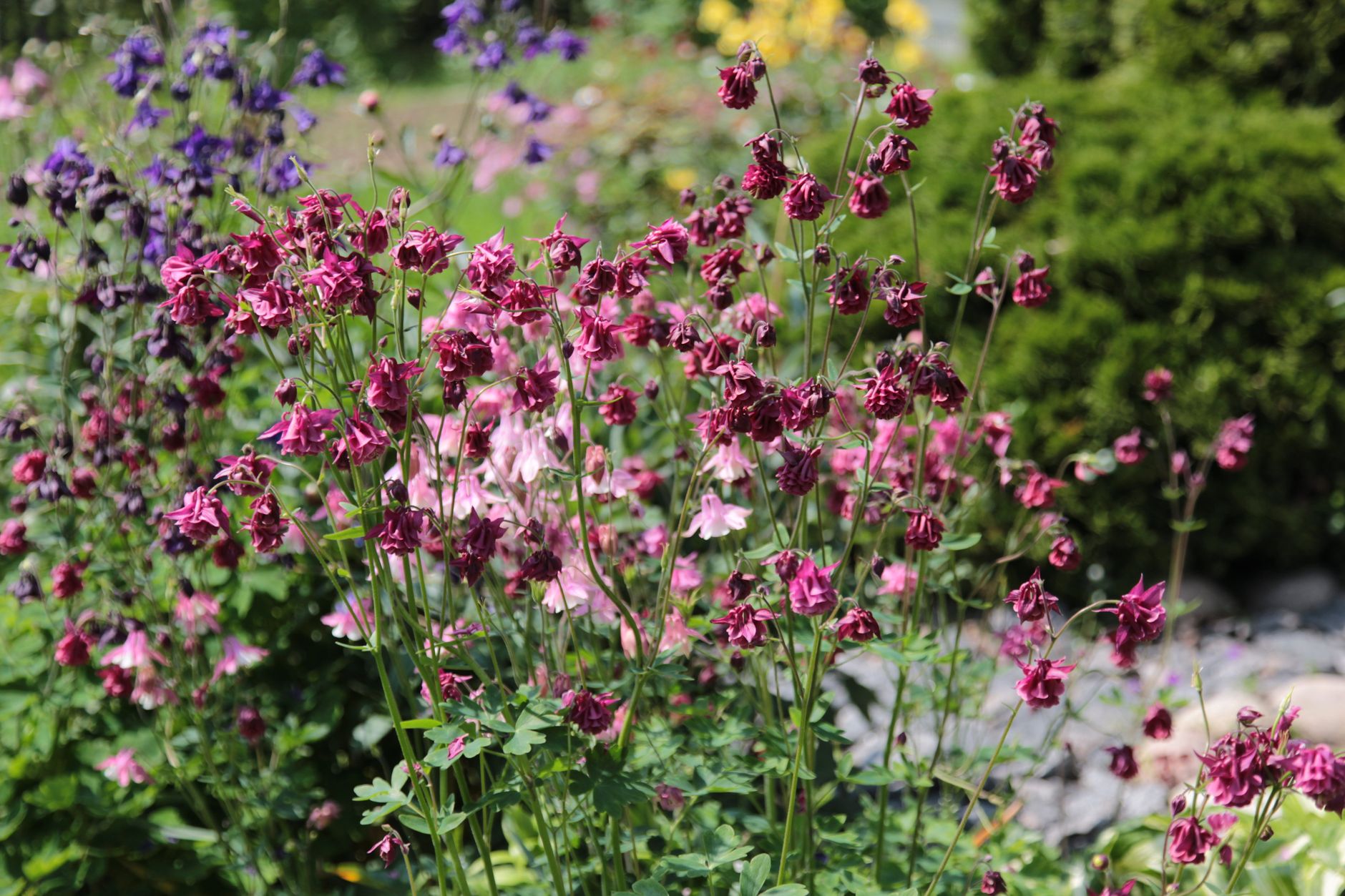
Gardeners looking for colour without the expense of potted plants can turn to perennials that bloom in their first year from seed, a cost‑effective way to fill borders and create bright displays.
Why seed‑starting beats buying plugs
Buying mature perennials at a centre often involves transport emissions, packaging waste and the need for peat‑based compost. Starting from seed lets growers use recycled containers and peat‑free mixes, cutting the environmental footprint. Seed‑grown plants may show natural variation in height or flower shade, especially when the seed is collected locally, giving a more informal, natural look to a garden.
Most gardeners are familiar with dividing established perennials to increase numbers, but division only propagates the same genetic material. By contrast, sowing seeds can produce dozens of plants from a single packet, making it ideal for larger projects such as a sweep of Achillea millefolium (yarrow) along a sunny border or a fringe of Digitalis beneath trees.
Choosing varieties that flower quickly
Several popular herbaceous perennials are known to flower within twelve months of sowing.
Related: DIY Pondless Waterfall Kit Transforms Backyard Elegance
Shade‑tolerant choices include Delphinium cultivars like ‘Galahad’, which can reach 1.6 m and need support, and the biennial‑turned‑perennial Aquilegia, which self‑seeds to create informal drifts. These plants can be sown in February or March for a long growing season, though later sowings in summer or autumn still yield healthy specimens that may not reach full display until the following year.
When selecting seed, gardeners can opt for home‑collected material to encourage variability, or purchase certified seed packets for consistent colour and form. Some packets include mixed colour blends, offering additional design flexibility.
Practical steps for successful sowing
Start by gathering clean trays—old seed trays, repurposed plastic containers, or wooden trays from specialist makers. Fill each tray with peat‑free seed‑sowing compost, leaving about 2 cm of space at the top. Light‑requiring seeds like yarrow should be scattered on the surface and only gently pressed in; others may need a thin cover of soil or vermiculite.
Cover the trays with a clear polythene bag or place them in a propagator to retain humidity. Keep the mix warm and well‑lit; most seeds germinate within three to five weeks. Once seedlings emerge, gradually remove the cover to harden them off, then transplant into small pots.
Related: From Classic to Modern: A Review of Lab Grown Engagement Ring Styles Available in London
After the last frost, move the pots to a cold frame or directly into the garden, ensuring the roots have filled their containers before planting out.
Early spring sowings give seedlings the longest possible growth period before the first summer, increasing the odds of a noticeable display. Late‑summer or autumn sowings can still succeed, but the plants may need a second season to reach their full flowering height.
While seed sowing demands attention to moisture and temperature, it eliminates the need for costly pots and reduces reliance on imported stock. For gardeners aiming to create a colourful, pollinator‑friendly space, these methods provide a practical pathway to a thriving garden.
Seed starting saves money.


