
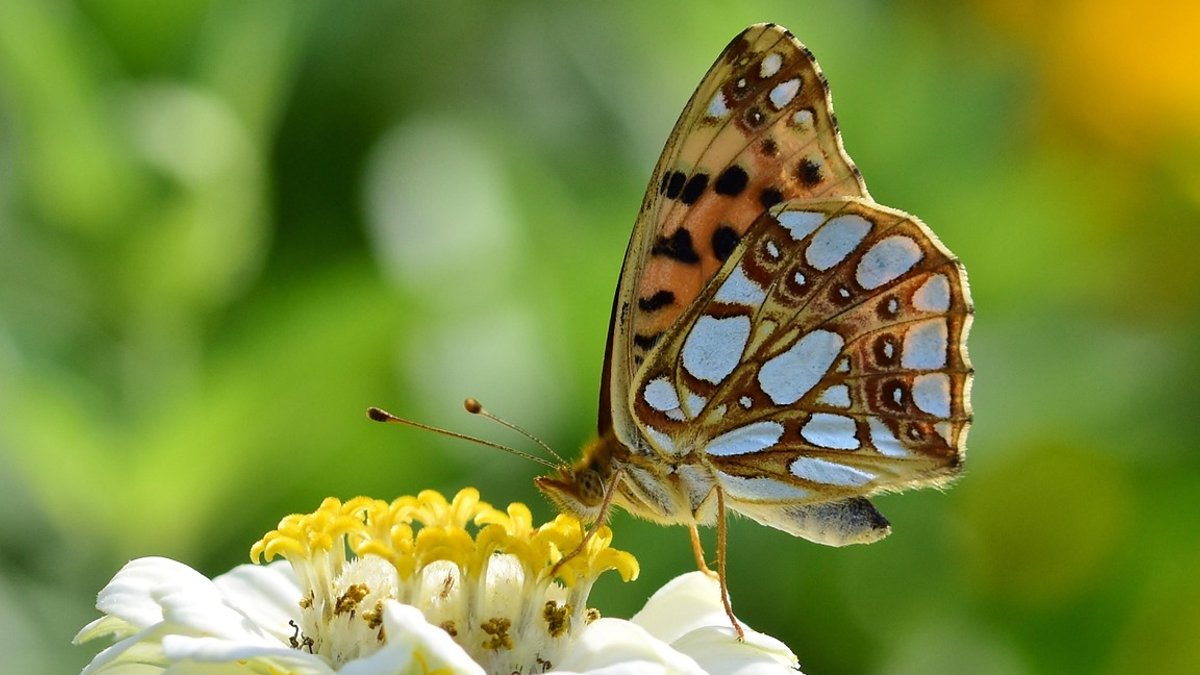
The Zinnia elegans is undergoing a quiet transformation. For decades, gardeners have relied on these blooms for their saturated reds, oranges, and yellows. Now, breeders are introducing a palette of softer tones that shifts the flower’s role in the market. Romantic pastels, glowing peaches, and muted neutrals are replacing the primary colors that once dominated the garden.
These new varieties aren’t appearing on the shelves of big agricultural corporations. Instead, they are the product of backyard and small-farm breeders who collaborate online. The effort is often a passion project rather than a commercial venture. Tiffany Jones, who runs Blomma Flower Farm in Nevada and wrote The Zinnia Breeder’s Handbook, explains the motivation behind the work.
“I’m looking for an exceptional cut-and-come-again bloom that looks luxurious enough to be a focal flower,” Jones said. Her goal is to create a flower that fills a market bouquet with fewer stems and requires minimal effort from the grower. These new cultivars are sturdy enough to handle the heat and drought conditions that plague many other cut flowers.
Erin Benzakein of Floret in Washington shares this vision. She is developing zinnia substitutes for imported flowers like roses and carnations. Benzakein says the market needs more variety in blush tones and shapes. Her team is working to stabilize these colors to help local growers sell directly to florists, cutting out the expense of importing cut flowers.
Commercial seed companies like Johnny’s Selected Seeds in Maine are also joining the effort. They introduced new color mixes last year, including pale pink ‘Ballerina,’ linen-toned ‘Linen,’ and peachy two-toned ‘Aurora.’ Hillary Alger with the company noted that they observed unusual color variations in open-pollinated mixes that were absent in commercial varieties. The team focused on stabilizing these complex hues while selecting for double petals and strong plant habits.
Developing a new variety is a slow process that requires patience. It typically takes at least six years to move a zinnia from the first selection to seed sales. The work involves repeating the same steps over and over again. Breeders must isolate special blooms, pollinate them by hand, and save the seeds from the resulting plants.
The unpredictability of the process demands curiosity. There are no textbooks that explain exactly how to achieve a specific result. Breeders try different methods and wait a full year to see if the seeds they saved produce the desired flower. This lack of a clear roadmap makes the work difficult, but the reward is a unique plant that cannot be found anywhere else.
Related: How to Find Your Ideal Bedroom Bedside Cabinets
Despite the time investment, the market for these specialty seeds remains small. Large horticultural companies have not yet committed significant resources to cut flower breeding. This leaves the door open for small-scale breeders to introduce new genetics into the marketplace. As a result, the hobbyist breeder has more power than ever to shape the future of the flower.
Anyone with a garden can attempt to breed a new variety of their own. The simplest method is to let nature do the work. Grow a specialty color alongside a standard open-pollinated mix and allow bees and butterflies to cross-pollinate them. This introduces new genetic combinations into the patch.
For more control, gardeners can isolate a specific bloom. When a plant produces a flower with the desired traits, cover a few unopened buds in organza bags to prevent other pollen from reaching them. Once the bagged flowers open, the breeder can perform hand pollination. They use a small artist’s paintbrush to sweep pollen from the star-shaped male parts of one flower to the y-shaped female parts of another.
Pollinate the flowers every day for a week to ensure success. After the blooms dry inside the bags, the seeds can be harvested. These seeds are planted the following year to see if they replicate the original flower. Repeat the process each year to stabilize the variety. As one breeder noted, you will eventually get tired of growing only one color every summer, but the results make the effort worthwhile.
Many small breeders sell their seeds once a year. These offerings tend to sell out quickly, so interested parties must monitor their websites closely. Floret has paused seed sales to focus on stabilization, while others like Blomma Flower Farm and Windfall Flowers in British Columbia have upcoming release dates.
While the hobby can be demanding, it offers a unique connection to nature. The process of nurturing a plant from a single seed to a blooming flower provides a sense of accomplishment. For those interested in the history of agricultural practices, visiting a historic farm estate can offer further insight into the roots of plant cultivation.
Local growers are also finding ways to incorporate these new blooms into their daily lives. For instance, a Greek salad can be a perfect summer dish that highlights the fresh produce these new zinnias represent. The lively colors of the vegetables complement the soft pastels of the flowers.


