
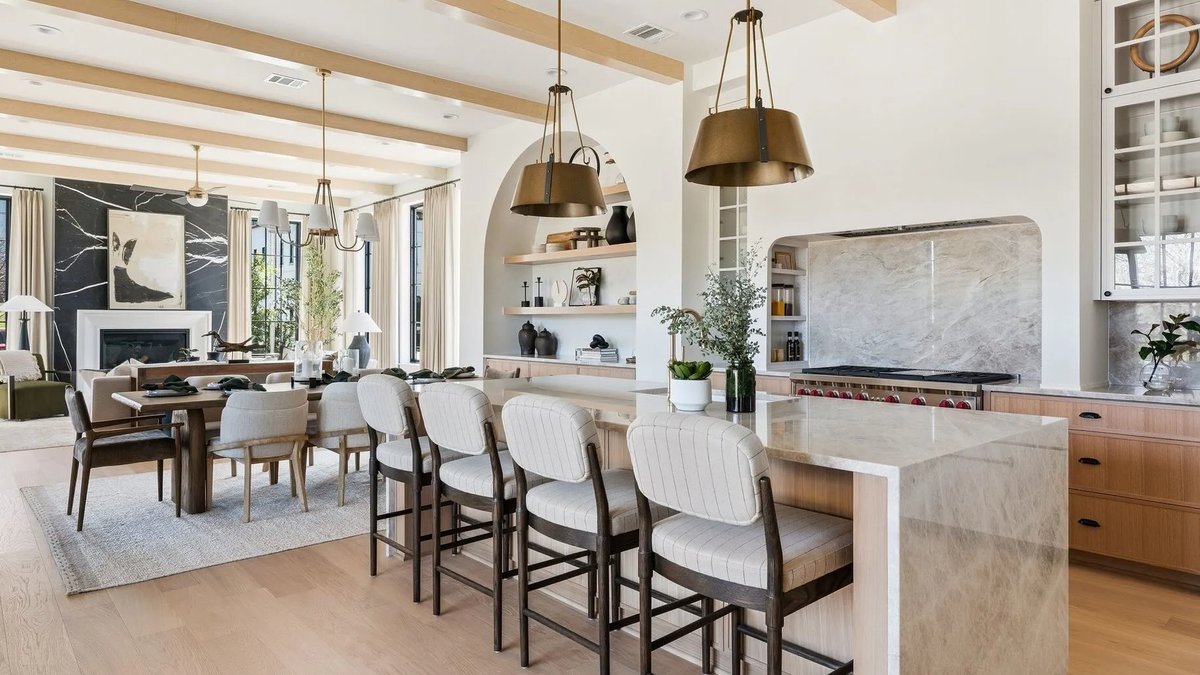
Model homes have traditionally served as a sales tool, showcasing floor plans and features to potential buyers. However, their role has evolved, and they now have a new job: affirmation. According to Ali Richert, enterprise sales head of home builder at Wayfair Professional, buyers are visiting models much further along in their decision-making journey, having already spent hours online comparing floor plans, features, and pricing. This pattern reflects a broader shift in how shoppers move from digital research to an in-person experience.
The shift has changed the model-home opportunity for builders from introducing a product to reinforcing the purchase decision. Richert notes that when a model home creates an emotional connection by helping buyers envision a lifestyle that feels both aspirational and attainable, it can give them greater confidence in their buying decision. He adds that the physical space now acts as a bridge between the abstract ideas formed online and the tangible feeling of “home.”
Creating an Emotional Connection
He emphasizes that the model home plays a critical role in helping buyers move beyond evaluating a floor plan and features to envisioning themselves living there. In today’s market, buyers face affordability constraints and keenly feel the pressure to buy the “right” home, making confidence a central aspect of the emotional aspect of the process.
Model-home design now balances inspiration with affirmation, aiming to make the space feel like a lived-in home. Richert explains that buyers are making both practical and emotional decisions simultaneously, and the key is for models to demonstrate routines, not just showcase rooms. The practical decision is cognitive, focusing on whether the home meets the buyer’s needs, while the emotional decision is about whether the buyer can see themselves living in the home. He notes that this emotional connection can become the deciding factor between two otherwise comparable homes.
Related Post: Nooks become popular home design feature
Designing for the Buyer’s Lifestyle
Hannah Sloan, creative marketing specialist with Unscripted Interior Design, highlights the importance of anticipating the buyer’s mindset and considering how they might use various spaces in detail. This involves translating those functions into design elements, such as furnishings, decor, artwork, and lighting, which can transform an empty house into a home.
According to Megan Calmes, director of sales and marketing with Creative Design, incorporating lifestyle vignettes, such as a fully set table for a crowd, can help buyers understand how a room works for entertaining. These elements help buyers understand the possibilities of the floor plan while making the home feel more personalized, memorable, and livable.
For instance, a primary bath might be merchandised to demonstrate how the space supports morning routines, with dual vanities, strategically placed chargers and outlets, and separate bathing and dressing areas. The staging shows how the layout can accommodate both efficiency and relaxation, helping the visitor picture a smoother start to each day.
A flex room, previously styled as a simple bonus room, might now be designed to accommodate multiple uses at once, such as a home office with a daybed or a multipurpose, zoned layout.


