
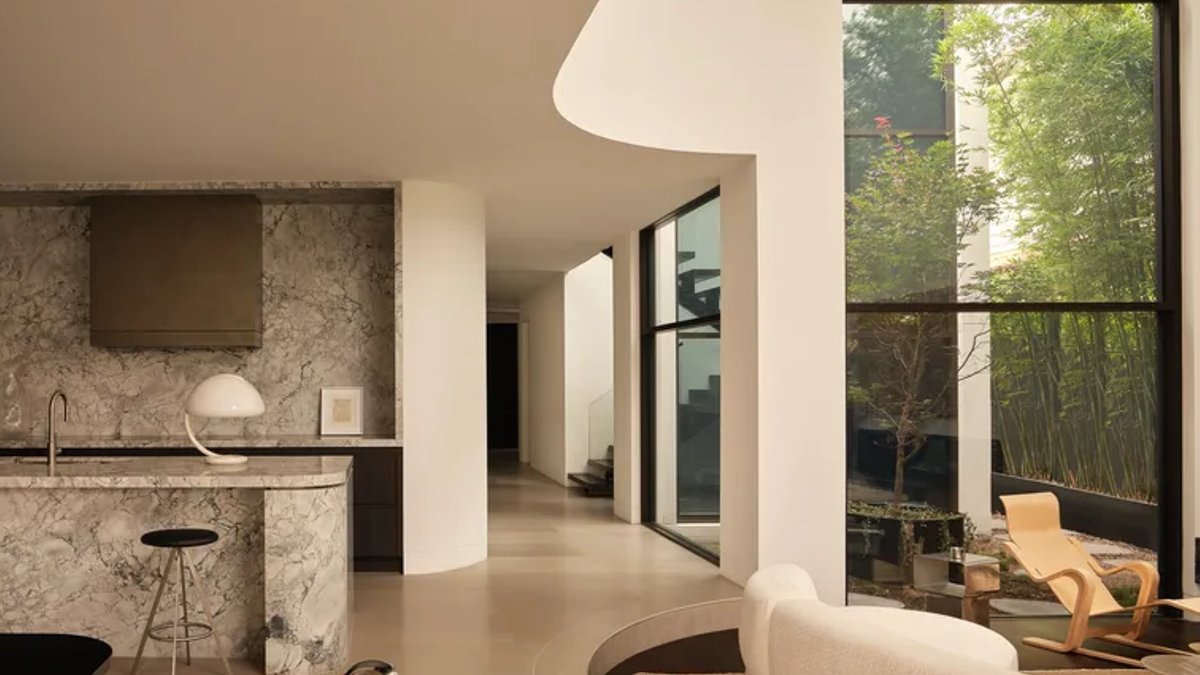
Creating a home that feels effortless means arranging daily routines so they flow without constant decision-making.
Design That Matches Daily Life
Simple layout tweaks can improve movement through a house. For instance, placing a small console or bench near the front entrance creates a designated spot where residents can drop keys, bags and coats, keeping clutter from spreading deeper inside and reducing the need to search for items later in the day.
Assigning a Spot for Everything
Every item having a defined home prevents misplaced objects. Families benefit when storage solutions are labeled or visually distinct, so members know exactly where to return things after use and can see at a glance where each category belongs.
Automation and Smart Appliances
Modern appliances now include built-in sensors and connectivity that turn ordinary chores into low-effort tasks. Hisense refrigerators can track inventory, sending alerts when milk runs low or produce nears expiration, which eliminates guesswork at the grocery store and helps households avoid waste.
Air-conditioning units equipped with remote scheduling can start cooling before occupants step through the door, creating a comfortable indoor climate without manual adjustment and smoothing temperature changes during hot afternoons.
Washing machines with AI-driven load detection suggest optimal cycles and automatically dispense the correct amount of detergent, a feature marketed as “AutoDosing.” This capability reduces the chance of over-use, protects fabrics, and shortens the decision-making process each time a load is started.
Technology That Keeps Up With a Busy Schedule
Family households often juggle school pickups, sports practices and work commitments, so a single point of control can make a big difference. An integrated app such as ConnectLife centralizes control of lighting, climate and appliances, allowing users to adjust settings from a single screen on a phone or tablet.
The app can program a washing machine to start during off-peak electricity hours, helping reduce utility costs while aligning cycle times with residents’ return home.


