
Summer gardening brings plenty of challenges, but practical solutions often come from people who spend the most time outdoors. Gardeners looking to handle pests and maximize their growing space can turn to reader-tested methods that save money and keep yards tidy. These strategies focus on low-cost materials and simple adjustments to the environment.
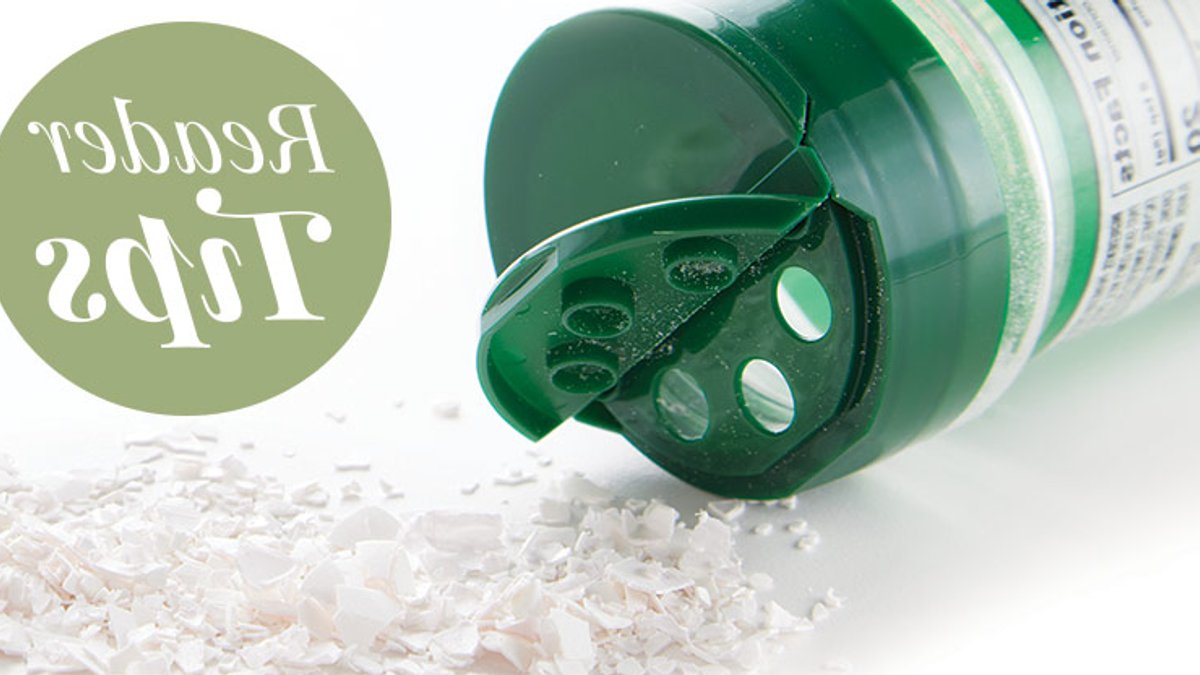
Slugs and snails often destroy hostas overnight, but Constance Larson found a way to stop them without harsh chemicals. She applies ground eggshells around the base of her plants to create a barrier that pests won’t cross. To make the job easier, she uses a grated parmesan cheese shaker to distribute the crushed shells evenly across the soil.
Related: Terraced Perennial Border Bursts With Colorful Texture
Keeping birds from nesting in gutters or on light fixtures can be tricky, but Jim Fameree solved the problem with two unlikely objects: an old tuna can and a golf ball. When birds try to land near a gutter joint, he balances the can so it falls if they land on it. For flat surfaces like light fixtures, he secures the can to the top and places the golf ball inside. The ball rolls around when the birds land, creating noise and movement that scares them away.
Extend the growing season without buying new pots
Richard Sunberg manages his container display by starting seeds in the backyard while the front yard containers are in use. This rotating system allows him to swap out faded spring plants for fresh ones before the season ends. He then refreshes the backyard pots with cool-season seeds that will be ready for harvest by the time he wants to swap the containers again. This method keeps the front entrance looking good throughout the summer while reducing the need to purchase new planters.
Old metal fire pits make for excellent planters if you know how to prepare them correctly. Anna Ellenberger suggests lining a rusty fire pit with setting fabric or coir to manage drainage. If the original holes are too small or missing, a drill can create new openings for water to escape. A fresh coat of spray paint can cover any remaining rust, giving the container a new look for the growing season.
Related: 3 Water-Wise Gardening Hacks for Your Home
When garden space is limited, collaborating with neighbors can solve the problem. Kent Young and his neighbor built a raised bed in three stair-stepping sections to follow the slope of their side yards. Each gardener tends one section, while the middle section is used for shared crops. They grow pole beans and cucumbers on 7½-foot-tall trellises that also support tomatoes and peppers. The setup works so well that they often have more produce than they can handle, sharing the bounty with friends and family.
Sharing a garden setup like this creates a reliable harvest that neither person has to manage alone. It turns a potential shortage of space into an opportunity for community gardening. The system relies on simple logistics and mutual benefit rather than complex construction or expensive equipment.


