
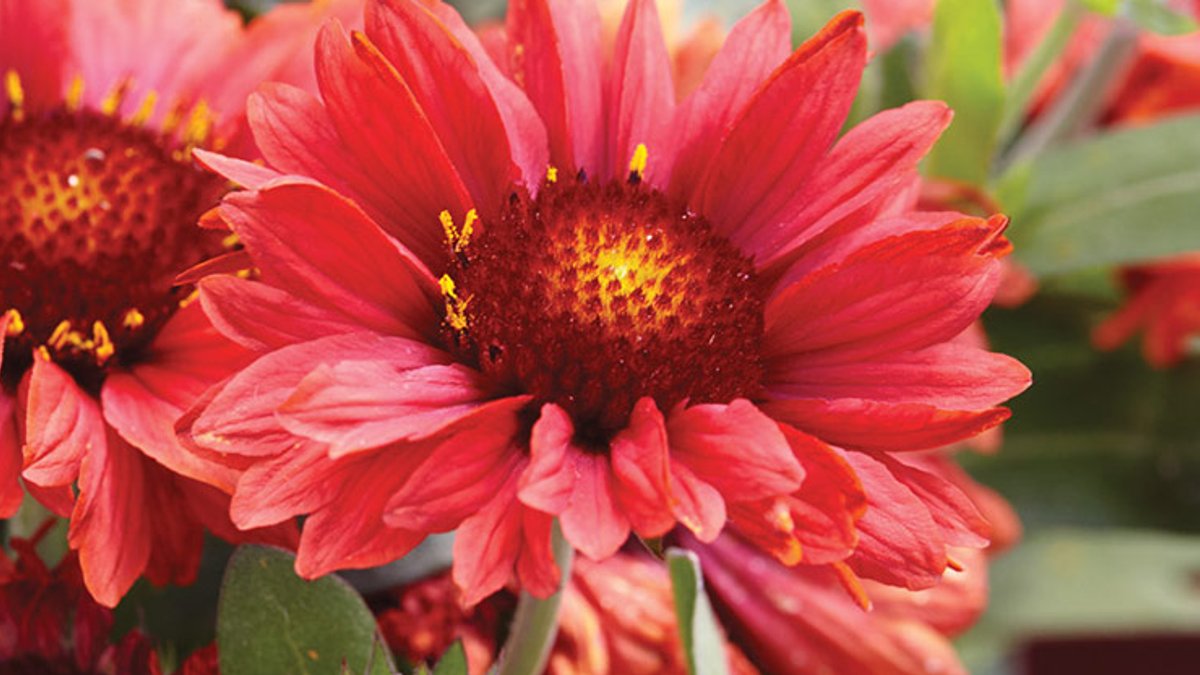
Gardeners who want to grow Mesa Red blanket flower in a hot, sunny location have a sturdy, colorful choice that performs well where many other plants fail.
Choosing the Right Spot
The species thrives in full sunlight and prefers soil that stays moist yet drains well. It can survive on dry, sandy or rocky ground after it becomes established, but heavy clay that retains water should be avoided because it may cause root rot.
Good drainage stops water from lingering near roots, avoiding the anaerobic conditions that cause rot.
When the planting site is arid, providing regular water during the first summer encourages the roots to spread deep. Once this early period passes, the plant tolerates occasional drought, making it a good option for areas far from a constant water source.
Deep roots reach moisture layers below the drying surface, helping the plant survive drought.
Planting Details
Typical mature dimensions are 14 to 16 in. tall and 20 to 22 in. wide. The compact habit keeps clumps from spilling over neighboring beds.
Spacing about a foot apart lets each clump expand without crowding, improving airflow.
Seeds may be scattered on the surface of a seed‑starting mix after the last frost; they need light to sprout. Direct sowing outdoors works as well once the danger of frost has passed. Seed‑grown individuals usually wait until their second year before they produce flowers.
Potted specimens often bloom the first summer after planting. For best results, place the container in a sunny location and keep the soil evenly moist during the initial growth phase.
A container at least eight inches wide gives room for roots while fitting on a patio.
Maintenance Through the Growing Season
Additional fertilizer is unnecessary; too many nutrients can produce floppy stems. In the fall, cut the foliage back to about 5 or 6 inches high to promote a longer lifespan, typically two to three years.
Too much nitrogen pushes vegetative growth, yielding weak stems that flop under blooms.
The cultivar produces deep‑red, daisy‑shaped blooms that are 2‑ to 3‑inch-wide. Flowering continues from late spring through late summer. It endures cold in USDA zones 5 to 10. While the plant prefers moist, well‑drained soil, it tolerates dry conditions once established.
The pigments stay stable, so flowers keep their bright red hue through late summer.
Regular deadheading removes spent blossoms and can improve the plant’s appearance. If stems become leggy in too much shade, move the plant to a brighter area.
Related Post: Perennial shade garden highlights striking foliage
Deadheading shifts energy from seed making to producing more flower clusters.
Wildlife Benefits and Uses
Bees, butterflies and hummingbirds are drawn to the nectar‑rich flowers, while deer and rabbits generally avoid the foliage. Cut stems make attractive arrangements for indoor or outdoor display.
Abundant nectar provides high‑energy food for bees and migratory butterflies, boosting pollinator activity.
Because the species tolerates heat and drought, it works well in sunny borders that receive intense afternoon sun. Pairing it with other sun‑loving perennials creates a bright, long‑lasting summer display.
In practice, the resilience of this cultivar means it can fill gaps in a garden where water is scarce and soil quality is less than ideal.
Homeowners who struggle with maintaining moisture‑rich beds may appreciate a plant that offers reliable color without constant irrigation.
When planning a border, consider spacing each plant about a foot apart to allow airflow and reduce the risk of fungal issues.
Mulching around the base helps retain soil moisture and suppresses weeds, which further supports the plant’s drought‑tolerant nature.
Organic mulches decompose over time, slowly releasing nutrients that further improve soil structure.
During periods of extreme heat, a light misting in the early morning can protect new seedlings until they develop deeper roots.
Gardeners often notice that the foliage turns a richer shade of green after a light feeding of compost in early spring.
Because the flowers attract pollinators, planting this blanket flower alongside fruit‑bearing shrubs can enhance pollination rates for neighboring crops.
In regions with heavy winter snowfall, a protective layer of straw over the root zone can prevent the soil from freezing solid.
When the plant finishes its bloom cycle, allowing the seed heads to mature provides a natural food source for songbirds.
Overall, Mesa Red blanket flower offers a combination of visual appeal, low maintenance, and ecological benefits that make it a valuable addition to many garden designs.


