
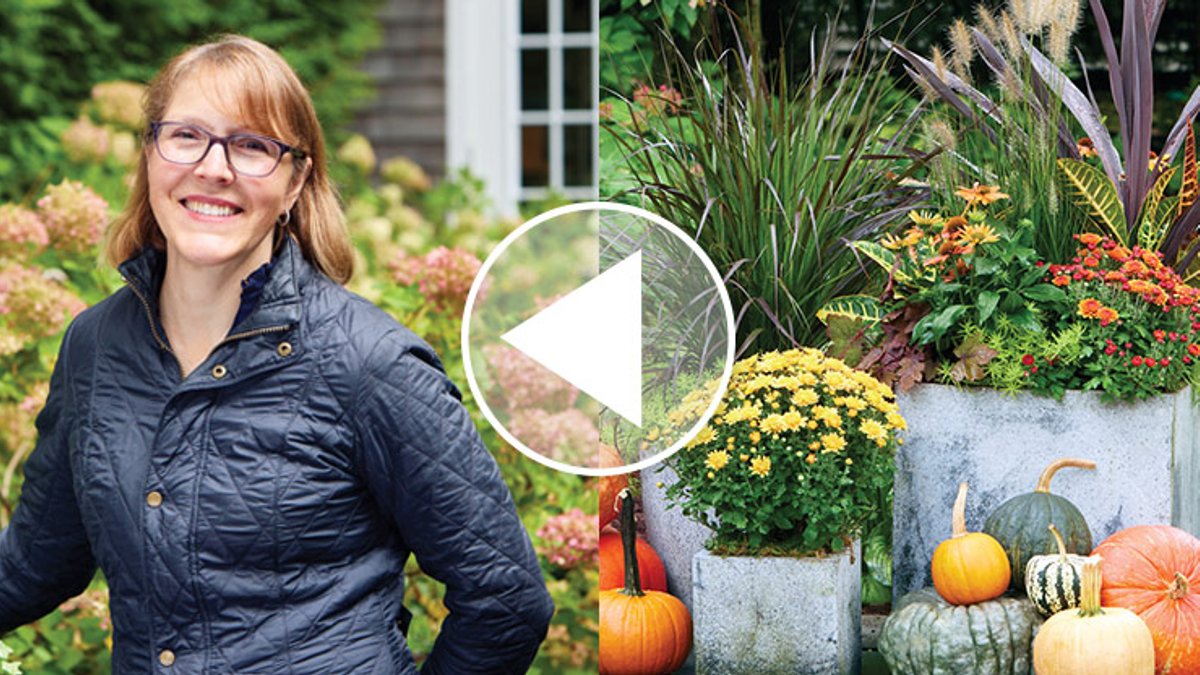
Garden designer Susan Nock shows how to keep container displays lively after the main growing season ends, using color, size and placement to turn a modest patio into a fall showcase.
Susan Nock brings over a decade of container‑design experience to every project, drawing on the many seasonal tours she’s filmed to demonstrate how simple shifts can keep a patio lively long after summer ends.
Matching Colors to Home and Garden
Before planting, Nock checks the spot where the pot will sit. She aims for a “color conversation” that lets the planter blend with nearby walls, doors and trim. In one example, the house’s siding and front door provide a palette of muted neutrals, and the designer selects accents that echo those tones.
A lacecap hydrangea nearby shifts from white in summer to a red‑pink blush in autumn. To echo that change, she chooses the classic orange, red and yellow fall scheme, tying the shrub and the container together. The result creates a seamless visual link between garden and architecture, a subtle timeless garden design approach that works in many climates.
Size and Grouping Strategies
Odd numbers tend to look more natural, the expert explains. In a three‑piece arrangement, the largest square pot measures 20 inches on each side, the medium round pot is 18 inches in diameter, and the smallest is 12 inches. The biggest pot holds several plant types, while the tiny one carries a single specimen, keeping the group from feeling crowded.
She also points out that a tired spot in a border—where perennials have finished blooming—can be instantly revived by inserting a well‑placed container, adding both color and a fresh focal point without re‑planting the whole bed.
She also recommends keeping the overall height proportionate to surrounding structures. At an entryway, a pot about a third the height of the door works well; a 24‑inch tall container with an arborvitae draws the eye.
Using Planters to Guide Visitors
Bright orange pumpkins and the vivid foliage of croton act as visual cues along a walk to the front door. The eye‑catching colors tell passersby that there is something worth seeing ahead.
In other parts of the garden, a colorful pot placed at a bend can mark a hidden bench or a secluded patio, turning a simple path into a series of small destinations. Those markers create a sense of discovery without requiring additional signage.
Practical Tips for Fall Planting
Foliage‑focused designs work well when temperatures dip. A mix of leaf shapes—such as the ‘Toffee Twist’ sedge, coral bells and dichondra, creates texture and visual interest. Larger leaves give the eye a place to pause; too many tiny leaves can make the arrangement look like a salad bowl, which the designer tries to avoid.
Related: Six Smart Tips for a Thriving Summer Garden
Foliage‑centric containers are especially forgiving in cooler weather; the varied leaf textures stay attractive through frost, providing structure when blossoms have faded and reducing the need for frequent replacement.
She suggests using pots at least that size in diameter. Bigger containers hold more soil, stay moist longer and let roots spread, meaning plants need less watering. They also accommodate larger specimens, which provide instant impact in cooler weather.
Choosing pots that are at least 18 inches across not only draws the eye but also creates a deeper soil reserve, which moderates moisture loss and supports healthier root development throughout the chillier months.
In her Zone 6 garden, the larger pots let her overwinter evergreen shrubs. An arborvitae, a couple of years old, spends the winter in a pot before being moved to a new location for the next season’s display.
The designer prefers all‑weather pots made of fiberstone from Campania. While many terra‑cotta containers go indoors for the cold months, she keeps them outdoors as long as they hold up.
She likes the pots to talk back to the house, almost like they’re having a quiet chat. That quirky idea reflects her view that containers should interact with their surroundings, not just sit there.
Seasonal Swaps on a Deck Display
A high‑visibility spot on a deck lets Nock enjoy her work from the kitchen window. In summer, the arrangement featured tender houseplants, succulents and bromeliads that needed indoor shelter as nights grew cold.
When fall arrived, she replaced those with garden mums, ornamental kale, heather and the pumpkins shown in the photo. A sturdy arborvitae at the bench’s end and a long concrete trough stay put year‑round, anchoring the design.
For readers who want a ready‑to‑go plan, the designer offers a downloadable PDF with plant lists and layout sketches.


