
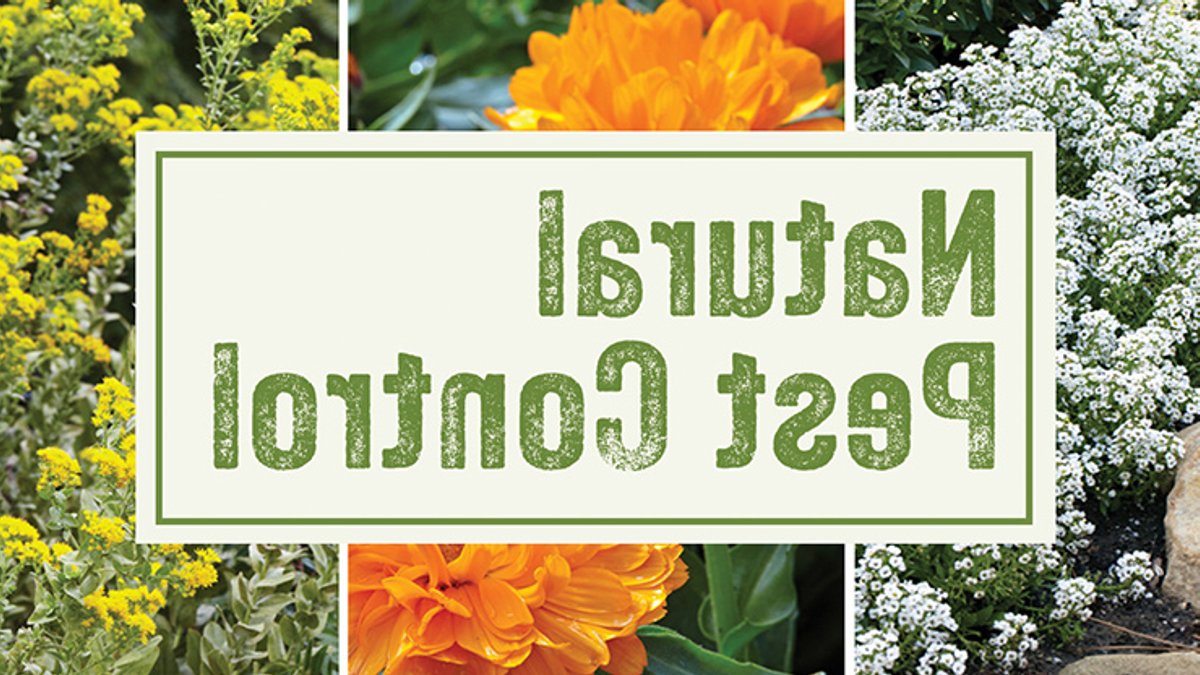
Gardeners looking to reduce their reliance on chemical pesticides have a natural ally in the insect world. A 2005 study at the University of Illinois found that bagworm-infested shrubs surrounded by flowering plants had 71 percent higher rates of parasitism on the bagworms than shrubs without flowers nearby. The research suggests that cultivating the right plants can bring beneficial insects to the garden without any additional intervention.
Beneficial insects such as lady beetles, hoverflies, and predatory wasps consume common garden pests including aphids, plant hoppers, and caterpillars. While these predators can be purchased, growing flowers that provide pollen and nectar offers a more reliable way to attract them. Tiphia wasps, for instance, will lay eggs on adult Japanese and Oriental beetles when attracted by plants like peonies. Hoverfly and lady beetle larvae are particularly voracious feeders on soft-bodied pests.
Creating the Right Conditions
Beneficial insects have specific needs that gardeners can easily address. Water is essential, but many small insects cannot access traditional birdbaths safely. Adding a few stones to a birdbath creates shallow areas where insects can drink without drowning. This simple addition can support a steady population of beneficial insects throughout the growing season.
Related: Dark blooms transform moody garden spaces
Flower shape matters significantly when trying to attract beneficial insects. Many adult beneficial species feed on nectar and pollen but have small mouthparts. Umbel-shaped blooms like those found on Queen Anne’s lace and dill provide easy access to food sources. Daisy-shaped flowers, including pot marigolds and coneflowers, offer similar accessibility. Planting a mix of these flower types ensures that beneficial insects can feed throughout the season.
Timing also plays a role in successful attraction. While larvae often consume the most pests, adults may have short lifespans and need consistent food sources to reproduce and lay eggs. Continuous bloom from spring through fall keeps beneficial insects present when garden pests are most active.
Plants That Support Garden Helpers
Several plants prove particularly effective at drawing beneficial insects into garden spaces. Dill, a tender perennial typically grown as an annual, produces airy yellow flowers on long stems from summer through early fall. The plants reach 3 to 5 feet tall and grow best in USDA zones 7 through 11. Dill serves as a host plant for swallowtail butterflies while attracting lady beetles, lacewings, and ichneumon wasps.
Goldenrod offers late-season nectar when other flowers have faded. The plant produces plumes, spikes, or arching stems covered in small individual flowers from late summer into fall. Heights range from 1 to 6 feet depending on variety, and goldenrod thrives in zones 3 through 9. Hoverflies and leatherwing soldier beetles are particularly drawn to this plant.
Related: Designer reveals lasting home decor tips
Peonies provide early-season blooms in pink, white, purple, yellow, or red starting in early spring. These plants are cold hardy through zone 8 and attract tiphia wasps, which prey on beetle pests. The large, showy flowers require minimal maintenance once established and return reliably year after year.
Pot marigold, known botanically as Calendula officinalis, produces daisy-shaped blooms in golden yellow, orange, pink, peach, cream, or bronze from late spring until frost. The plants grow 12 to 24 inches tall and spread 12 to 18 inches wide. Lady beetles and hoverflies frequently visit pot marigold flowers, making them a practical choice for vegetable gardens.
Queen Anne’s lace features white blooms in summer and can reach 36 to 48 inches in height. The plant grows 6 to 12 inches wide and tolerates cold down to zone 3. Gardeners should handle this plant with care due to toxic sap. Hoverflies, lacewings, and lady beetles all frequent the umbel-shaped flowers.
Related: The Craftsmanship Behind David Austin Rose Bouquets
Sweet alyssum completes the list as a low-growing annual or tender perennial reaching only 3 to 9 inches tall. The plant forms dense clusters of white, purple, or lavender flowers from late spring through frost. Sweet alyssum thrives in zones 9 through 11 and particularly attracts hoverflies. Its compact growth habit makes it suitable for borders and container gardens.
Those who invest in flowering plants may see reductions in pest pressure over time.
Establishing a diverse planting scheme takes patience, but the long-term benefits include fewer pest outbreaks and reduced need for intervention. Starting with two or three of these plants and expanding over seasons allows gardeners to observe which species naturally establish in their local environment.


