
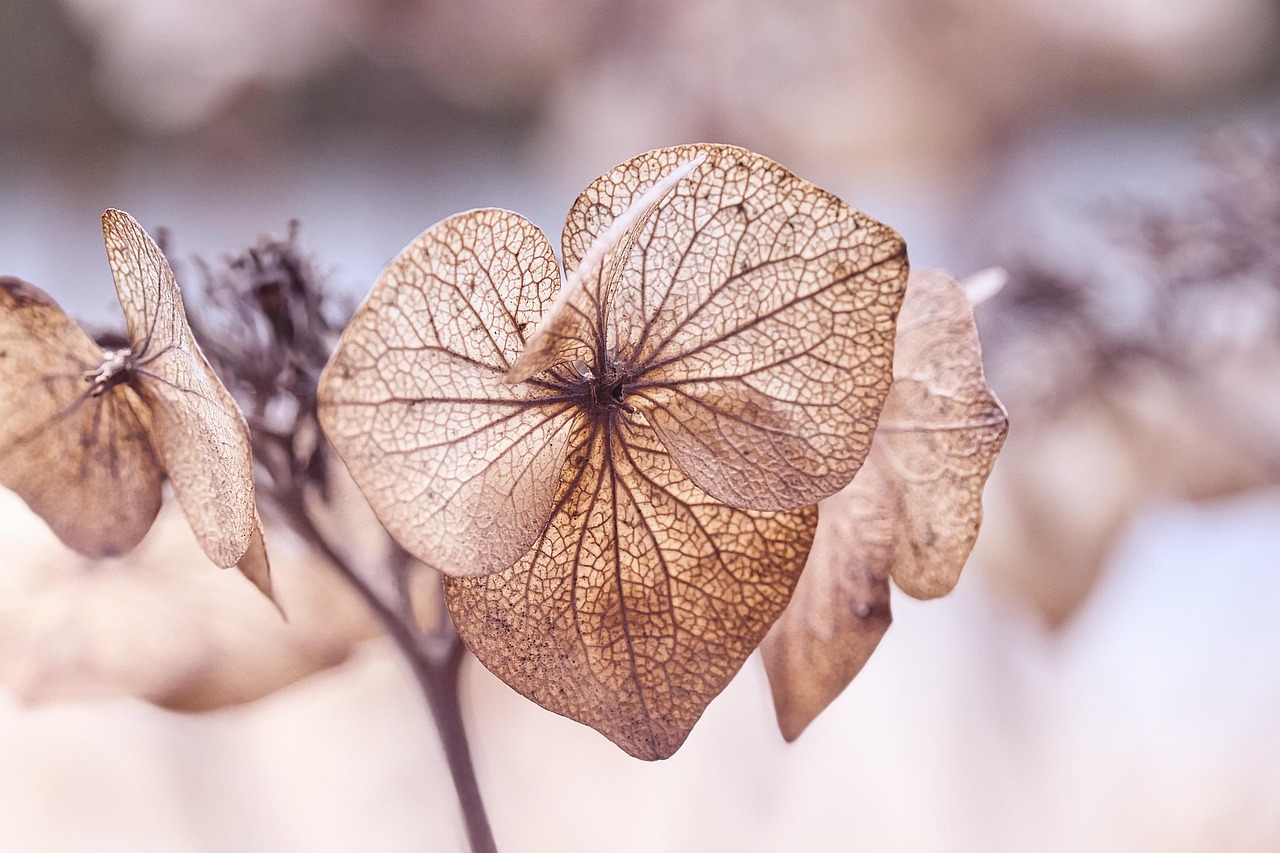
For gardeners looking to grow bigger, healthier hydrangeas, experts offer straightforward advice on watering, soil, and pruning. These deciduous shrubs remain a garden favorite because they flower heavily from summer into autumn, tolerate sun or dappled shade, and come in shapes from rounded mopheads to cone-shaped panicles.
“Hydrangeas generally are low-maintenance plants and need very little aftercare,” said Rachel Maiden, an expert from Ashwood Nurseries. The main catch is that they react fast to dry weather — wilting dramatically and needing lots of water to bounce back. “Water them in the morning or evening, but if they are still wilting in the morning, they are likely to be too wet,” she added. Young plants especially wilt in summer heat because they cannot move water quickly enough to support the large flowers. Shading them during heatwaves helps until they become established.
Soil pH and Watering Are Key to Hydrangea Success
The shrubs grow best in fertile, moisture-retentive soil rich in organic matter, with a pH between 5.5 and 6.5. Soil pH matters most for bigleaf and mountain hydrangeas because it controls flower color. Acidic soils below pH 5.5 produce blue blooms, while alkaline soils above pH 6.5 push flowers toward pink. White varieties ignore pH entirely.
Related: First‑Year Bloomers Bring Instant Colour to Gardens
Good soil preparation starts with a soil test. Before planting, dig in generous amounts of homemade compost, leaf mold, aged manure, or composted bark to improve fertility and moisture retention. Heavy clay should be lightened with organic matter, and sandy soil needs extra compost to hold water. Loosen an area two to three times wider than the root ball, plant at container depth, and top with an organic mulch layer kept clear of the stems.
Hydrangeas dislike waterlogging but need consistent moisture. That balance is often harder to hit than people expect, especially in unpredictable summer weather.
Feeding and Pruning Follow a Simple Schedule
Rachel recommends feeding hydrangeas during summer with a high-potash feed, such as sulphate of potash, but warns against feeding after August to let wood ripen. Yellowing leaves signal an iron shortage, which a sequestered iron supplement can fix.
Related: How to Find Your Ideal Bedroom Bedside Cabinets
Pruning depends on the type. Mopheads and lacecaps should not be pruned — only deadhead them in late spring after frost risk passes, because the old flowerheads protect the new buds underneath. “They flower on old wood, unlike other groups,” Rachel explained. Panicle and arborescens varieties can be pruned hard or light every March. Harder pruning delays flowering and gives fewer but larger blooms.
Propagation Is Possible With Softwood Cuttings
The best results come from softwood cuttings taken in late spring or early summer. Cut a healthy, non-flowering shoot about 10 to 15 centimeters long, trim just below a leaf node, remove the lower leaves, and leave a pair at the tip. Place the cutting in moist, well-draining compost or a peat-free potting mix with perlite. Keep it under a clear plastic bag or propagator lid in bright, indirect light. Roots should establish within a few weeks.
Pests Are Manageable With Simple Methods
Hydrangeas are fairly trouble-free, but Rachel advises watching for aphids on fresh spring growth and for vine weevil grubs in container plants. Small aphid infestations can be squashed or washed off with a jet of water. Vine weevils leave U-shaped notches on leaves, and their larvae damage roots. Adults feed at night from late spring through summer; inspect plants after dark and remove them by hand. Placing upturned pots nearby can attract weevils for easy removal. Beneficial nematodes applied in spring and late summer handle the larvae without chemical harm.
Related: Understanding Pool Types and Lighting Options
Popular Varieties Offer Different Flower Shapes and Colors
Mophead hydrangeas (Hydrangea macrophylla) come in white, pink, blue, and purple. Unless you garden on acidic soil, blue varieties tend to revert to pink. A compact hortensia variety works well in small spaces. Hydrangea paniculata produces cone-shaped panicles; ‘Silver Dollar’ shows creamy-white flowers that age to pink and thrives in all soil types.
The oak-leaved hydrangea (Hydrangea quercifolia) has large leaves shaped like oak tree leaves, turning bronze and purple in autumn, with white flowers that become pink-tinged. Hydrangea arborescens ‘Annabelle’ carries massive creamy-white globes that look almost like a herbaceous perennial, though the top-heavy flowers may need staking in windy spots.
Hydrangea aspera ‘Villosa Group’ has velvety leaves and lilac-purple flower heads with pale sterile flowers around the edge. It attracts bees and prefers shady borders. Hydrangea anomala subsp. petiolaris is slow to establish but then grows vigorously, with deep green oval leaves that turn golden in autumn. Early spring support stakes can prevent sprawling stems from falling over when the blooms get heavy.


