
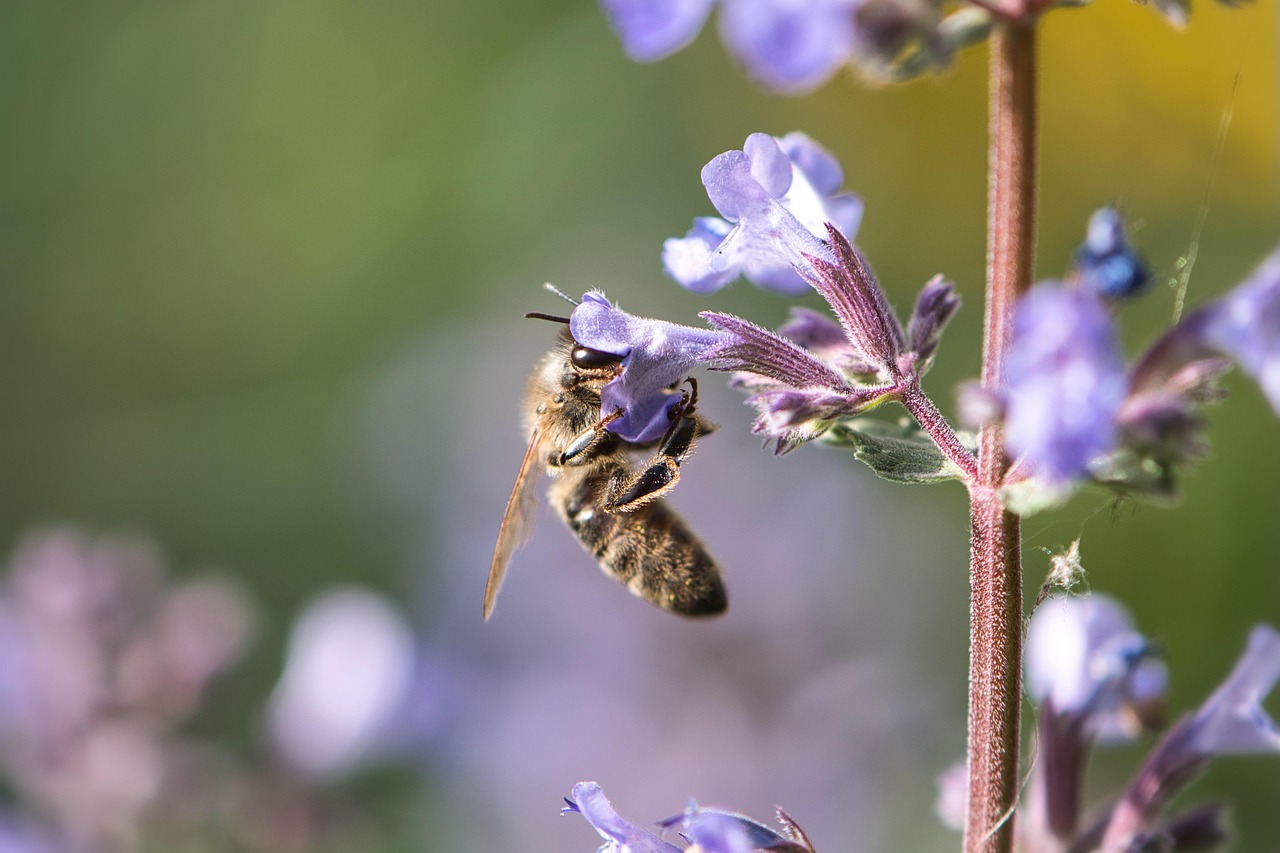
Choosing Mediterranean plants for a UK garden can bring colour, fragrance and a steady stream of pollinators, even when the local climate is cooler than the plants’ native homes.
Evergreen anchors and fragrant shrubs
Phillyrea latifolia is a small evergreen tree that thrives in both Greece and the southwest of Ireland. It produces white, bell‑shaped flowers in autumn and carries fruit from the previous year’s pollination. The fruit ripens red and looks like strawberries, though the species name “unedo” means “I eat only one.” Its dense foliage offers winter interest and a subtle scent.
Another evergreen option is the dwarf mountain pine Pinus mugo ‘Ophir’. While full‑size pines can reach 20 m with orange‑brown bark, the dwarf cultivar stays compact, making it suitable for smaller gardens. Pruning lower branches in early years encourages an umbrella shape and releases the classic pine fragrance.
Flowering perennials that attract pollinators
The semi‑evergreen shrub Buddleja globosa from Chile offers orange‑yellow flower balls that bloom from May to July. Unlike the more aggressive Buddleja davidii, this species can be kept tidy with a simple trim after flowering, keeping it under 5 m tall.
Related: DIY Pondless Waterfall Kit Transforms Backyard Elegance
For a splash of bright orange‑red, the Californian perennial formerly known as Zauschneria californica (now Epilobium canum) displays tubular flowers from July to September. The narrow silvery leaves and hummingbird‑like blooms thrive in well‑drained soil and add winter interest once the flowers fade.
Salvia officinalis, the common sage, pairs well with other dry‑garden staples such as santolina and nepeta. Its mauve flowers appear from early to mid‑summer above a mound of silver‑grey leaves. The plant’s hairy leaves reflect sunlight and retain moisture, an adaptation that reduces water loss.
The ornamental cactus‑like Helleborus argutifolius (Corsican hellebore) works as an underplant, tolerating shade and providing early spring blooms that support early pollinators.
These selections collectively support bees, butterflies and hoverflies throughout the growing season, ensuring a garden that hums with life.
For gardeners, the practical benefit of these plants lies in their low‑maintenance nature. Once established in well‑drained soil, many of them require only occasional pruning or cutting back to encourage new growth. Their ability to thrive on poor, free‑draining substrates reduces the need for intensive watering, aligning with sustainable gardening practices.
Related: Quick Quotes for Roof Replacements in Tampa Bay: Save Money!
Planting tips and companion ideas
Successful Mediterranean‑style gardens need good drainage. Adding loam‑based compost, such as a mix of John Innes and ericaceous compost, creates a suitable medium for acid‑loving plants like Erica spp.. When ground drainage is insufficient, raising plants in large pots can replicate the dry, well‑ventilated conditions these species prefer.
Combining evergreen screens such as Phillyrea angustifolia with medium‑sized shrubs like Rhamnus alaternus ‘Argenteovariegata’ and Viburnum tinus creates layered foliage that offers year‑round structure. Adding a splash of colour with the bright orange‑red buds of Buddleja globosa or the mauve flowers of sage can break up the foliage and attract pollinators.
When planting pines, early pruning of lower branches helps shape a mature canopy and improves air flow, reducing the risk of fungal issues. For smaller spaces, dwarf cultivars keep the visual impact while maintaining manageable size.
In regions where summer heat can be intense, providing a shaded area with a sturdy parasol, such as a green octagon model from a reputable home‑goods brand, can protect delicate blooms and extend the usability of the garden.


