
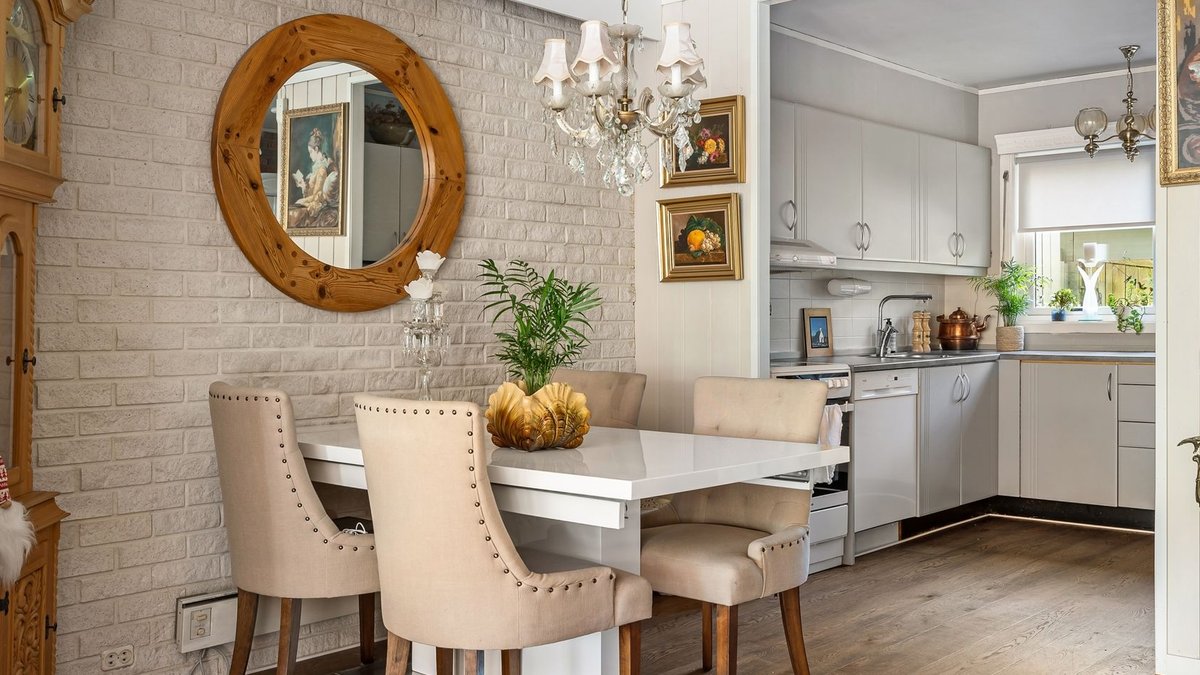
Designer CeCe Barfield Thompson helped longtime clients Bradley Agather and Coley Means transform a 1990s Mediterranean Revival house in North Dallas into a space that balances style and family‑friendly function.
Finding a home with character
The couple spent years hunting for a property that matched their tastes. When they finally located the house, its existing details—ornate tile, rolled plaster edges and a sense of openness—impressed them. “It was full of character and spoke to both of their tastes in a way a lot of other houses in Dallas had not,” the designer said.
Location also played a role. Many Dallas homes sit flush against their lot lines, but this home sits back, allowing natural light to flood the interior. “Light just streams in and you have this sense you are perched somewhere more removed,” CeCe noted.
Refinements without a full gut‑rehab
CeCe’s approach avoids drastic demolition. In the kitchen, she replaced light fixtures, added Portuguese tile behind the countertops, and installed a walnut island that reads more like furniture than a work surface. The living room’s 20‑foot ceilings were softened with layered seating, many pieces upholstered in Michael S. Smith fabrics featuring Jasper florals or muted solids.
She lowered several art pieces to “anchor the eye so the scale feels a bit more human,” creating a more approachable feel despite the grand dimensions. A window between two rooms was removed, freeing wall space for oversized works, including a contemporary commission from Ethan Cook and a 1970s cheetah painting by Reginald Baxter.
Beyond aesthetics, the home was tuned for everyday life. Brass‑nameplate baskets line the breakfast table shelves, helping the family keep two young children organized. The playroom, dressed in medallion upholstery and a large art piece reminiscent of a historic study, offers ample storage for Legos and toys. “Bradley told me she’d be spending so much time there she had to love it as much as her kids,” CeCe said.
The result feels lived‑in.
In practice, these updates mean the family can enjoy a stylish environment without sacrificing the practicality needed for daily routines. The thoughtful placement of storage and the blend of high‑end pieces with functional details let the house feel both elegant and livable.
Overall, the renovation showcases how targeted refinements—like swapping fixtures, adjusting art height, and adding custom storage—can revitalize a historic home while preserving its original charm.
CeCe’s philosophy that “when you buy and renovate an old house, you can’t be scared to make changes and allow the things you love about the house to sing even more” guided every decision. By retaining the original Mediterranean Revival elements—such as the detailed tile patterns and the soft, rolled plaster—she ensured the house’s heritage remained visible even as new layers were introduced.
The walnut island, for instance, was crafted to sit flush with the surrounding cabinetry, creating a seamless transition between the cooking zone and the dining area. Its natural grain provides visual warmth that counters the cooler tones of the Portuguese tile, while the custom lighting above it highlights both the surface and the surrounding countertops.
In the living room, the choice of Michael S. Smith upholstery was intentional; the Jasper floral motif adds a subtle botanical reference that echoes the house’s Mediterranean roots, while the solid, muted color palette keeps the space from feeling overly busy under the soaring ceiling. The layered seating arrangement encourages informal gathering, allowing family members to settle in at different heights and perspectives.
Removing the interior window not only opened the floor plan but also introduced a cleaner backdrop for the oversized artworks. The Ethan Cook piece, commissioned through Illa Gaunt Art Advisory, brings a contemporary edge that dialogues with the historic cheetah painting by Reginald Baxter, creating a curated juxtaposition that feels both curated and lived‑in.
Functional details extend beyond the main rooms. The brass‑nameplate baskets are not merely decorative; each label is engraved with a family member’s name, turning a simple storage solution into a personalized system that teaches the children organization habits from an early age. In the playroom, the medallion upholstery references classic study chairs, yet the scale is amplified to suit a child‑friendly environment, while the oversized art piece serves as a focal point that sparks imagination.
CeCe also considered circulation and flow. By aligning furniture symmetrically after the window removal, the pathways between kitchen, dining, and living areas become intuitive, reducing traffic bottlenecks and allowing the family to move smoothly throughout the home during daily activities.
Every material choice was vetted for durability and timelessness. The walnut island, Portuguese tile, and brass accents are all resilient against the wear of a busy household, ensuring that the aesthetic decisions will endure as the children grow and the family’s needs evolve.
Through a combination of strategic updates and reverence for the house’s original architecture, CeCe Barfield Thompson succeeded in crafting a residence that feels both sophisticated and welcoming, proving that thoughtful design can honor the past while serving the present.


