
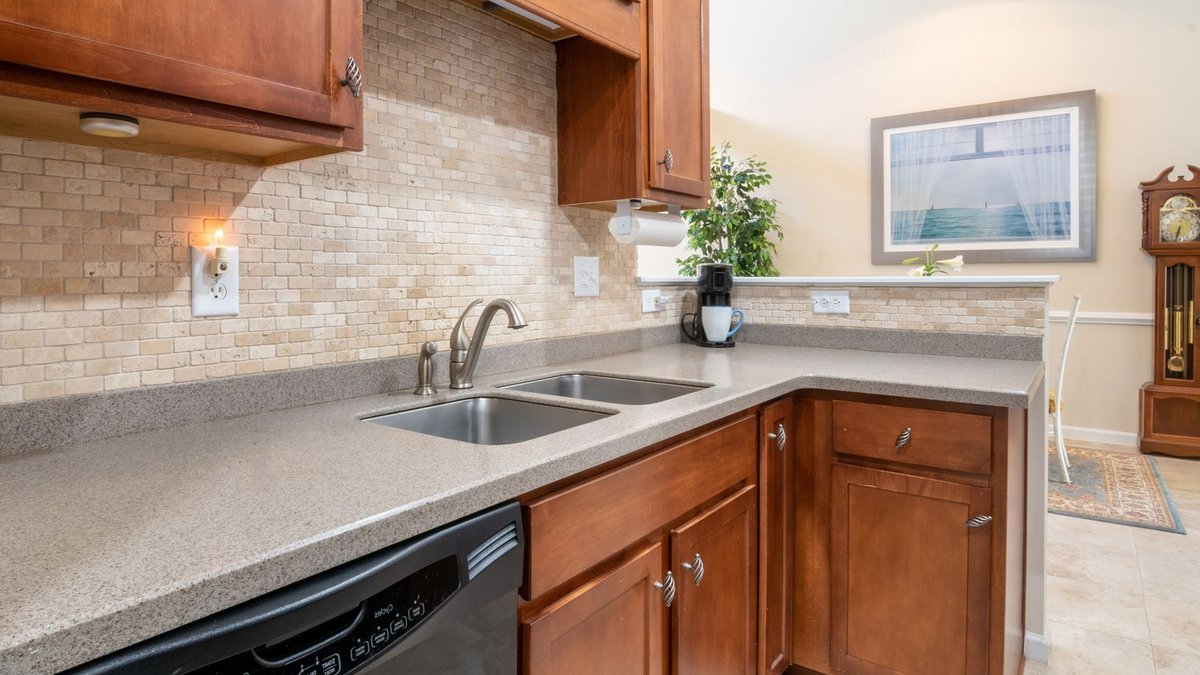
The kitchen and the bathroom are the ultimate proving grounds of the home, where design meets the stress tests of daily life. They are high-impact environments that require durable and safe surfaces. Too often, the surfaces chosen for their beauty become sources of anxiety, showing their scars long before they have earned their patina.
Firstly, tiles. In a high-service area, durability and safety are essential, so tiles with low water absorption and high abrasion resistance are necessary. This foundation drives longevity, maintenance, and daily safety ahead of aesthetics or price.
The Performance Layer
The performance of surfaces in bathrooms, kitchens, or any heavy-use area is a function of three linked choices, the material itself, how it is installed, and how it is treated and maintained, says Nicole Russell, Marketing Manager of Italtile. The material’s intrinsic properties, including porosity, abrasion and scratch resistance, slip resistance, chemical and stain resistance, and thermal stability, set the baseline, with non-porous or low-porosity options preferred for wet zones and high-traffic floors.
Choose durable, low-porosity surfaces that withstand moisture, heat, and everyday wear without compromising on style. Environmental factors such as humidity, temperature fluctuations, and UV or heat exposure influence both material choice and installation details, so products chosen for kitchens and bathrooms should be designed for those conditions and installed accordingly.
High-Performance Materials
Large-format tiles and slabs reduce grout lines for a seamless look and easier cleaning, complemented by advanced edge profiles and compatibility with integrated countertop systems, adds Russell. This shift is driven by lifespan and low maintenance. No sealing required, simpler upkeep, and consistent colour and texture.
Large-format porcelain tiles create seamless, low-maintenance kitchens and bathrooms built for everyday performance. The last decade has also seen a decisive move to high-performance manufactured tiles, powered by digital technology. New formats like porcelain and ceramic now deliver ultra-realistic veining and depth, while remaining non-porous.
Atlas Concorde, one of Italtile’s exclusive suppliers, has developed Sensitech Technology, a surface that combines high slip resistance with a softer tactile finish. Beyond the surface, the wider industry has also seen a parallel surge in engineered composites and sintered stones, designed to mimic the complexity of natural stone while eliminating its structural vulnerabilities.
Sustainability and Durability
The conversation around endurance is increasingly being steered by ethical longevity. Ramielle De Jager, co-founder of Wolkberg Casting Studios, argues that durability should not come at the expense of a home’s soul or its environmental footprint. Sustainability should be top of mind for any homeowner selecting a surface for a high-service area like a kitchen or bathroom.
If you are unsure where to begin, start by buying local, it is one of the most immediate and effective ways to make a more sustainable choice. This ethos is embodied in Limesite, a high-performance, eco-friendly concrete composite made from recycled materials and designed for both residential and commercial applications.
With such versatile materials now available, homeowners are also becoming far bolder in their choices, and far less afraid of colour. Limesite surfaces used as wall cladding are quickly becoming the new it thing, adds De Jager. If you are looking to improve your bathroom design, consider cladding your shower walls in Limesite, which creates a seamless, architectural finish that feels considered and quietly luxurious, much like a farmhouse design inspired by English country style.
The narrative of the enduring home is incomplete without the organic counterpoint to stone and ceramic, the timeless warmth of timber. While once considered a risky choice for wet zones, wood is seeing a significant resurgence as homeowners seek to soften the hard edges of modern kitchens and bathrooms.
The Material Edit
For those ready to move from inspiration to installation, the 2026 market offers a clear hierarchy of high-performance surfaces. For kitchen countertops, sintered stone has emerged as a favourite, offering near-indestructibility and heat resistance. Quartzite provides the veined aesthetic of marble with greater resistance to etching and scratching.
On floors, the focus is on moisture-proof longevity, with SPC vinyl remaining a popular choice for fully wet environments. Ultimately, the enduring home is not defined by a single material, but by how intelligently they are combined. It is a balance of performance, aesthetics, and longevity. Combining stone, timber, and advanced surfaces creates kitchens and bathrooms designed to perform beautifully for decades.
Homeowners are now more aware of the importance of choosing the right materials for their kitchens and bathrooms, and are willing to invest in high-performance surfaces that can withstand the demands of daily life. As a result, the market is shifting towards more sustainable and durable options, such as Limesite and engineered oak.
In practice, this means that homeowners can enjoy their kitchens and bathrooms for years to come, without worrying about the maintenance and upkeep of their surfaces. With the right materials, kitchens and bathrooms can be both beautiful and functional, providing a perfect balance of style and performance, allowing homeowners to focus on other aspects of their home, such as Mediterranean plants for their garden.
They can also consider repairing bare patches in their lawn to create a seamless outdoor space.


