
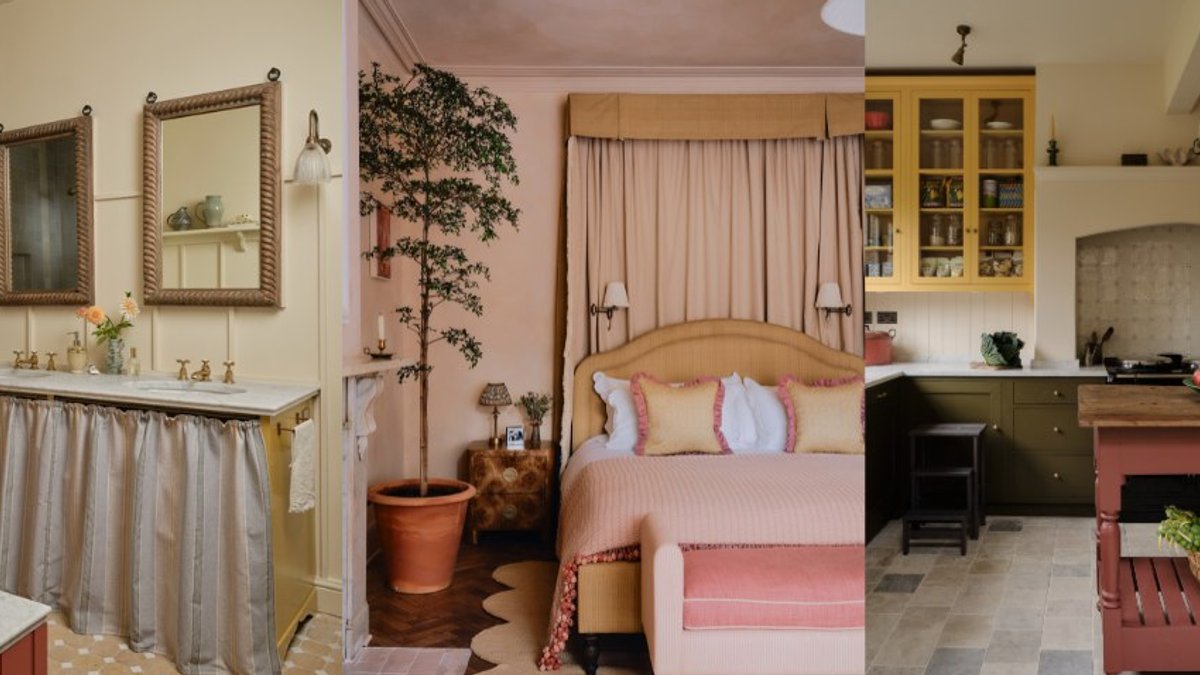
Homeowners are increasingly seeking soft, cozy, and lived-in interiors. This shift marks a departure from the once-popular minimalist design characterized by clean lines and neutral palettes.
The rise of comfortable, layered spaces
According to Carina Raymond, founder of Studio Raymond, there’s a noticeable move away from clinical, impersonal designs. People now prefer homes that feel comfortable, layered, and reflective of their lifestyles.
Uns Hobbs, founder of an eponymous interior design studio, observes this trend in various elements, including curved furniture and limewash finishes. These features create a soft, warm cocoon that invites relaxation.
Natural materials and tactile features
Alex Main, director at Main, notes a growing demand for natural materials like wood and earthier color palettes. Rebecca Hughes, an interior designer, agrees that people are favoring comforting, cocooning interiors over stark minimalism.
To achieve this look, layering is key. This involves curating an enveloping color scheme with nature-inspired hues and carefully selecting materials, finishes, and furnishings. In the kitchen, for instance, using wood, stone, linen, and rattan can soften functional elements, creating a cohesive visual language with adjoining living areas.
Adding personality and warmth
Incorporating personal touches is essential to creating a warm, inviting atmosphere. Alex Main suggests adding open shelving and cozy corners, such as an armchair in an unused space or a built-in window seat.
In bathrooms, Rebecca Hughes recommends introducing soft furnishings to counteract clinical vibes. She illustrates this with a project where a curtain replaced a traditional door, creating a softer transition between spaces, reminiscent of a Parisian hotel.
The role of lighting in creating ambiance
Lighting plays a key role in making interiors feel warm and welcoming. Carina Raymond advises against relying solely on overhead lighting, suggesting a mix of sources instead. This can include ceiling pendants, wall lights, picture lights, and table or floor lamps to create pockets of softer light and build a relaxed atmosphere.
The strategic use of lighting can highlight specific areas, such as artwork or architectural features, adding depth and dimension to a space. By layering different types of lighting, designers can create a sense of warmth and intimacy, making a room feel more inviting and comfortable.


