
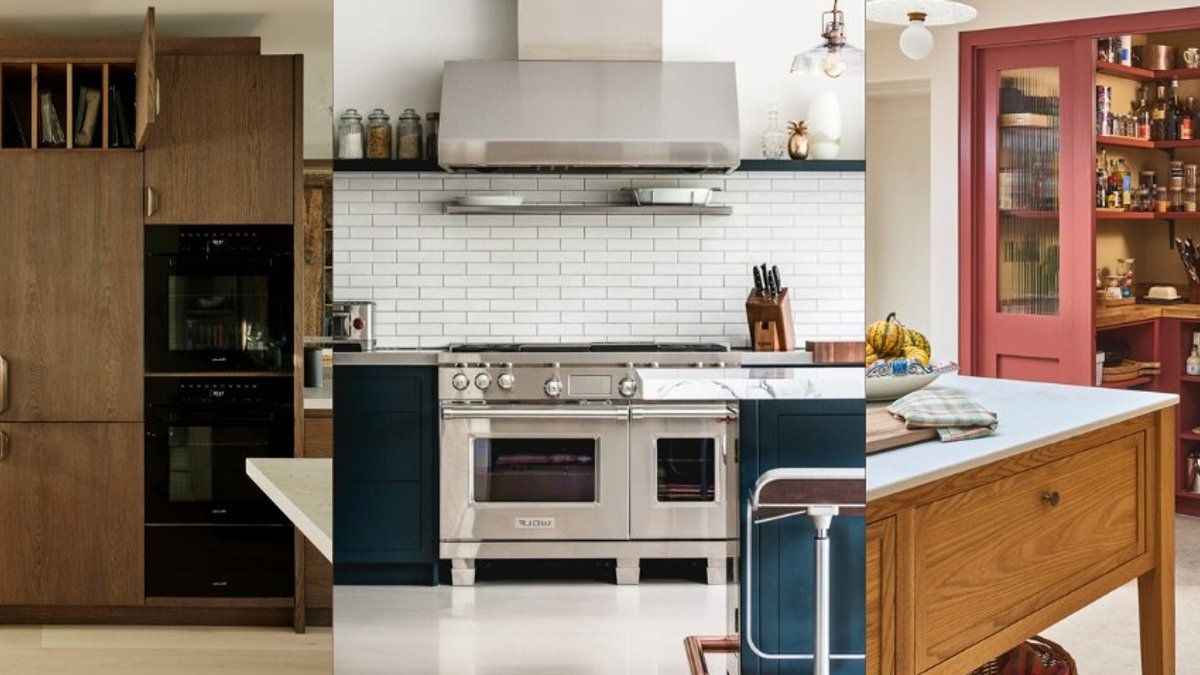
The modern kitchen is evolving, blending functionality with aesthetic appeal. Yvette Filer, a KBB journalist, highlights a shift toward prioritizing cooking in kitchen design. This trend emphasizes both beauty and efficiency, creating spaces that are as enjoyable to use as they are to look at. Through the rise of open-plan living, kitchens have become multifunctional hubs for gathering, working, and hosting. However, recent trends show a return to the kitchen’s primary purpose: cooking itself, without sacrificing design elegance.
Designing for the Cook
Professional chef and Symphony brand ambassador Peter Sidwell notes that a chef’s kitchen focuses on practicality. “A chef’s kitchen isn’t about looking professional – it’s about working professionally,” he says. Layouts are tailored to streamline cooking, ensuring everything is within reach and serves a purpose. Sidwell emphasizes that the intent behind a chef’s kitchen is to make cooking easier, calmer, and more enjoyable, designed for daily, intensive use rather than just appearance.
Islands remain popular but are now designed as functional workspaces, often featuring hobs, sinks, and prep areas. This keeps the cook engaged with the room while working. Richard Moore, creative director at Martin Moore, adds that walk-in pantries near cooking zones are essential for storing diverse ingredients efficiently. A well-designed pantry can store up to 12 wall cupboards of provisions, all within easy reach. Additionally, spacious preparation areas with durable materials like granite or natural quartzite are increasingly common, with dropped-level zones for pastry making.
Tailored Storage and Appliances
Storage solutions are becoming more personalized. A baker, for instance, requires a different setup than someone who prefers one-pot meals or hosts large gatherings. Well-organized internals improve efficiency by making items easily accessible and helping users see what they own, reducing clutter and streamlining workflows.
Appliance choices also reflect individual cooking styles. While not all keen cooks need the latest gadgets, investments in tools like downdraft extraction, boiling-water taps, or intelligent ovens can enhance the cooking experience. Dan Young of Miele GB emphasizes features that reduce uncertainty, such as automatic programs and food probes, which ensure consistent results. These innovations are particularly useful when trying new recipes, cooking large meals, or entertaining guests.
Professional Tools for Home Kitchens
Steam cooking, once a professional staple, is now entering home kitchens. Matthew Ryle, chef and Sub-Zero & Wolf ambassador, praises the combi steam oven for its ability to cook meat and fish with precision, achieving restaurant-quality results in everyday meals. This technology helps food retain moisture while delivering a crisp finish, raising home cooking to professional standards.
Materials are also evolving. Stainless steel remains a favorite but is now paired with rich marbles and warm woods, adding character and a welcoming feel. This blend of modern practicality and bold personality celebrates the act of cooking rather than hiding it, creating kitchens that are both functional and inviting.
A Return to Enjoyment
The focus is shifting back to the joy of cooking. Kitchens are no longer just multifunctional spaces but are designed to enhance the cooking experience. From sculleries to garden setups, homeowners are dedicating more space to this essential activity, reflecting a renewed appreciation for the craft of cooking.


