
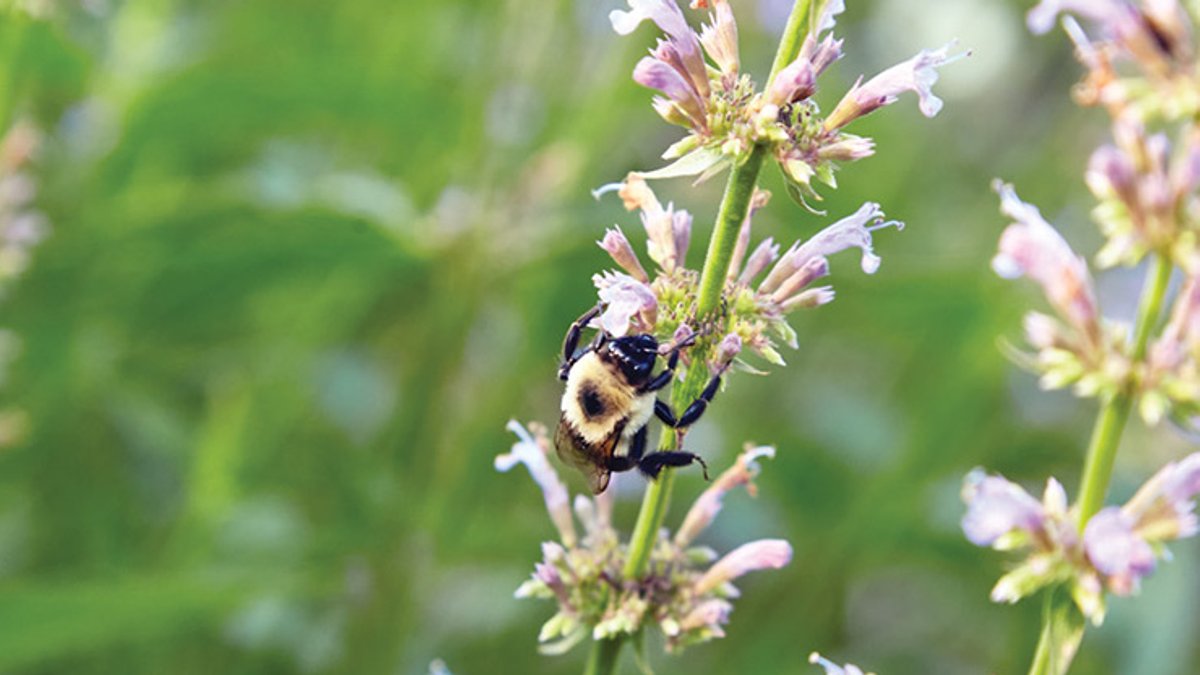
For a garden border buzzing with pollinators and tough enough for dry spells, gardeners often turn to agastache, a genus of perennials known for their fragrant foliage and long-lasting blooms. This North American native and its hybrids are valued for their ability to attract bees, butterflies, and hummingbirds while resisting deer and rabbits. While the general requirements for these plants include full sun and well-drained soil, specific regional challenges require tailored care strategies.
Matching the Plant to the Soil
There are roughly 22 species of agastache native to North America and Mexico, with numerous hybrids available. The key to success lies in understanding the soil preferences of the specific variety you choose. Southwest species like licorice mint or Texas hummingbird mint thrive in lean, sharply drained conditions. In contrast, anise hyssop, native to the Great Plains, and Korean mint prefer richer soil with more organic matter. Regardless of the type, the plant will rot if the soil is consistently wet or soggy.
Related: Designer reveals lasting home decor tips
Care Strategies for Specific Regions
While full sun and drainage are non-negotiable across all growing zones, local experts suggest specific adjustments to help these plants survive winter and thrive in local conditions. The Chicago Botanic Garden’s Director of Ornamental Plant Research, Richard Hawke, notes that the dense soil and wet winters common in the Midwest can cause root rot. He advises that some newer varieties show better survival rates and suggests planting in containers as an alternative to borders. Bridget Blomquist, Associate Director of Horticulture at the Denver Botanic Gardens, finds that squeegee mulch works best in the Mountain West to keep the soil well-drained and angular, preventing the smaller rocks from blowing away in the wind.
In the Southwest, Santa Fe Botanical Garden Director of Horticulture Linda Churchill manages alkaline soil with a high mineral content. She finds that leaving dead stems in place over winter provides essential protection for the crown and that cramming plants together in a border acts as natural mulch. Meanwhile, UGA Trial Garden Manager Sandra Begani notes that in Georgia’s humid climate with red clay soil, tilling in compost and granular fertilizer helps ensure the plants bloom happily, and pine straw mulch helps manage weeds attracted to the bees.
Related: Design Cohesive Cut Flower Garden with Color Palette
Because these plants are so popular with pollinators, they often require a bit more maintenance than other species. Deadheading the prairie-type hyssops is often necessary to prevent them from reseeding too aggressively, while hummingbird mints typically do not require this step. Gardeners should also be mindful of their watering habits; while these are drought-tolerant plants, a deep watering during extended dry periods can prevent growth and blooming from suffering. With the right variety and proper soil management, agastache offers a hardy, fragrant option for almost any garden.


